
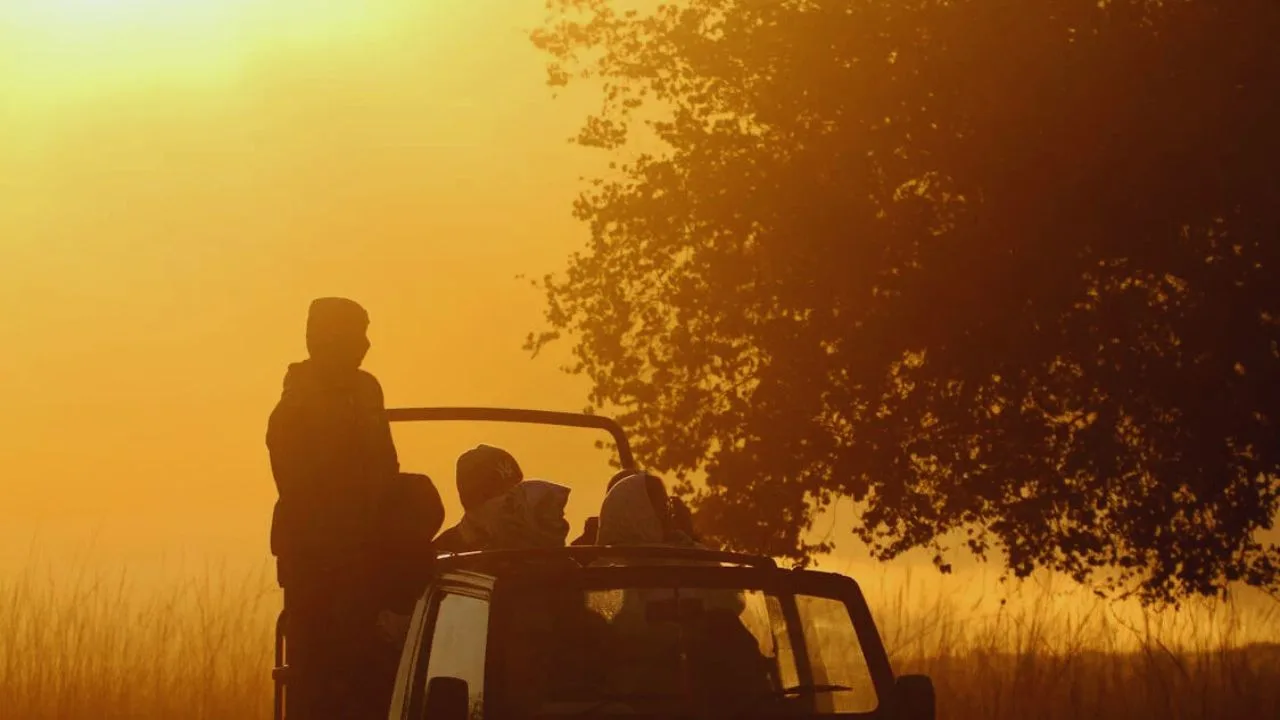
Motichur Safari Zone, Rajaji National Park – Safari Booking, Timings & Fees 2026
Motichur Safari Zone is a popular safari area of Rajaji National Park in Uttarakhand, offering a scenic jeep safari through Sal forest and grassland habitat near Haridwar. This guide covers safari timings, fees, booking, wildlife, the best time to visit and how to reach Motichur Gate.
Motichur Jungle Safari, Rajaji National Park is a 25 km circular jeep safari zone on the Haridwar–Rishikesh highway, 9 km from Haridwar. The Motichur Safari Zone, Rajaji National Park runs two daily slots — 6:00–10:00 AM and 2:00–6:00 PM — through dense Sal forest known for elephant herds and leopard sightings. Entry starts at ₹150 (Indian) / ₹600 (foreign) per person plus Gypsy and guide charges, and safaris operate from 15 November to 15 June each year.
Motichur Zone is one of the main safari gates of Rajaji National Park (Rajaji Tiger Reserve), sitting right on the Haridwar–Rishikesh highway just 9 km from Haridwar. Unlike the busier Chilla zone, Motichur safari zone offers a quieter 25 km circular safari through some of the thickest Sal forest in the reserve — the kind of habitat where wild elephants move in herds, leopards slip through the undergrowth, and hornbills call from the ficus trees overhead. Whether you search for it as Motichur Jungle Safari Rajaji National Park, Motichur Safari Rajaji National Park, or simply the Motichur safari zone, this gate is one of the best-value, less-crowded jungle safari options close to Haridwar and Rishikesh.
Motichur Zone at a Glance — Key Takeaways
- What it is: A core safari zone of Rajaji National Park, also called the Motichur Jungle Safari or Motichur Range.
- Where: On NH-334, 9 km from Haridwar, ~20 km from Rishikesh, in Uttarakhand.
- Route: 25 km circular jeep safari track through dense Sal forest and open chaur grassland.
- Duration: Roughly 2 hours per safari, two slots daily (morning and evening).
- Signature sightings: Wild elephant herds, leopard, spotted and sambar deer, hornbills and woodpeckers.
- Season: Open 15 November to 15 June; closed during the monsoon.
- Starting cost: ₹150 per person (Indian nationals) / ₹600 per person (foreign nationals), plus Gypsy entry and guide fee.
- Best for: Families, first-time safari-goers, photographers and birders who prefer a quieter zone than Chilla.
About Motichur Safari Zone
Motichur was originally one of the three wildlife sanctuaries — Rajaji, Motichur and Chilla — that were merged in 1983 to form Rajaji National Park, which was later declared a Tiger Reserve in 2015. Today, the Motichur safari zone is dominated by dense Sal (Shorea robusta) forest with patches of open grassland (chaur), which makes it an excellent habitat for large mammals while keeping the Motichur Jungle Safari feeling genuinely wild rather than manicured.
The 25 km circular route winds through the core of this Sal forest, passing waterholes and grassy clearings where wildlife tends to gather, especially in the warmer months. Because Motichur sees fewer vehicles than Chilla, sightings often feel calmer and more personal — many guides consider it one of the more consistent zones for spotting elephants at close range.

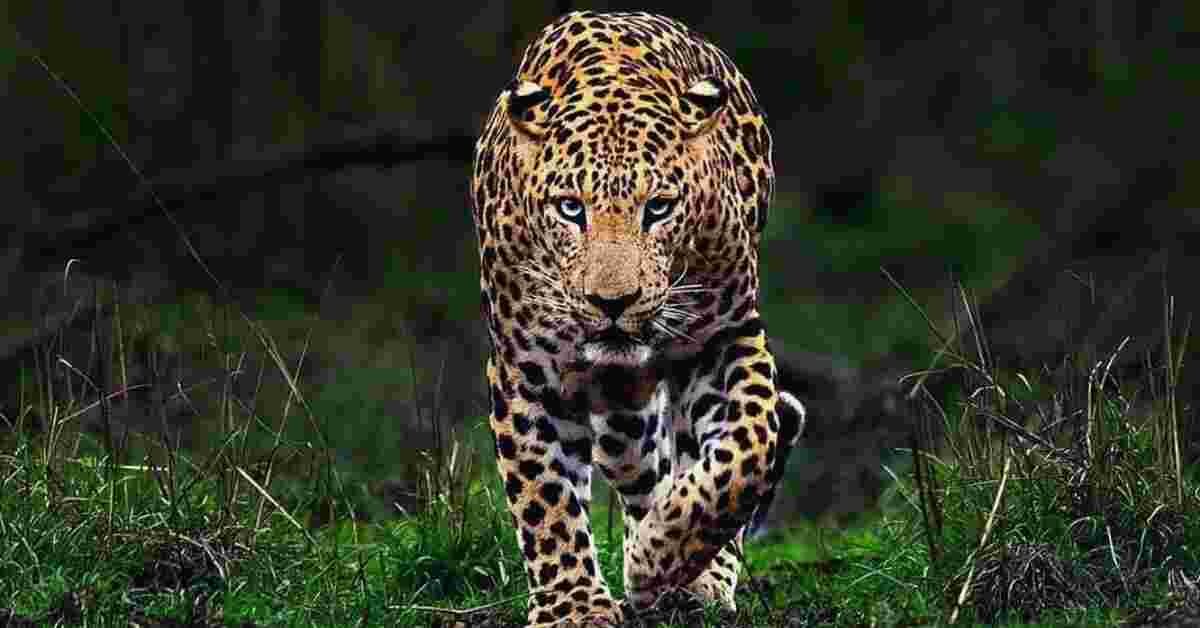
Wildlife You Can See in Motichur Zone
Motichur's mix of dense Sal forest and open chaur grassland supports a wide range of species. While no sighting in a wild forest is ever guaranteed, these are the animals and birds most commonly reported by visitors and guides:
| Category | Species Commonly Seen |
|---|---|
| Large Mammals | Asian Elephant (herds, especially in summer), Leopard, Wild Boar |
| Deer Species | Spotted Deer (Chital), Sambar Deer, Barking Deer |
| Birds | Woodpeckers, Great Hornbill, Barbets (feeding on ficus fruit), Peafowl |
| Occasional Sightings | Tiger (rare, primarily nocturnal in this zone), Jungle Cat, Langur |
Tip: hire an expert naturalist guide (available at the gate for an extra fee) — local guides who track fresh pugmarks and elephant dung along the route significantly improve your chances of a good leopard or elephant sighting.
Motichur Zone Safari Timings 2026
| Slot | Entry Time | Duration |
|---|---|---|
| Morning Safari | 6:00 AM – 10:00 AM | ~2 hours |
| Evening Safari | 2:00 PM – 6:00 PM | ~2 hours |
Note: Exact gate times can shift slightly by season (winter vs. summer daylight hours). Always reconfirm your slot at the time of booking.
Motichur Zone Entry Fees & Permit Charges
| Charge | Indian Nationals | Foreign Nationals |
|---|---|---|
| Safari Permit (per person) | ₹150 | ₹600 |
| Entry Fee (per Gypsy) | ₹250 | ₹500 |
| Guide (Normal) | ₹500 | ₹500 |
| Guide (Expert Naturalist) | ₹800 | ₹800 |
| Gypsy/Jeep Hire (1–6 persons) | Approx. ₹2,750 – ₹3,000 per vehicle | |
Fees are fixed by the Uttarakhand Forest Department and are revised from time to time — check our latest ticket price page before you travel, or call us directly and we'll confirm current rates for your travel date.
How to Reach Motichur Zone
| From | Distance | Approx. Travel Time | Route |
|---|---|---|---|
| Haridwar | 9 km | 15–20 min | Via Haridwar–Rishikesh Highway (NH-334) |
| Rishikesh | ~20 km | 30 min | Via NH-334 towards Haridwar |
| Dehradun | ~35 km | 1 hour | Via NH-72 to Motichur |
| Delhi | ~220–225 km | 4.5–5 hours | Via NH-334 / NH-58 |
By Air: Nearest airport is Jolly Grant Airport, Dehradun (~40 km).
By Train: Nearest railway station is Haridwar Junction, well connected to Delhi, Dehradun and major cities.
By Road: Motichur Gate sits directly on the Haridwar–Rishikesh Highway, so it's an easy stop whether you're based in either city.
Best Time to Visit Motichur Safari Zone
| Season | Months | What to Expect |
|---|---|---|
| Winter | Nov – Feb | Cool, pleasant weather; comfortable safaris; good all-round sightings |
| Spring | Mar | Mild weather; forest greenery at its best; good birding |
| Summer | Apr – Jun | Hot days but highest chance of elephant herds near waterholes |
| Monsoon | Mid-Jun – Mid-Nov | Park closed for safari |
Motichur vs. Other Rajaji Safari Zones
| Zone | Distance from Haridwar | Known For |
|---|---|---|
| Motichur | 9 km | Elephants, leopards, dense Sal forest, quieter safari |
| Chilla | 8 km | Highest tiger & elephant sighting rate, more developed |
| Jhilmil Jheel | ~15 km | Wetland birding, swamp deer, buffer zone |
| Ranipur | ~15 km | Least crowded, good for a peaceful drive |
| Mohand | ~35 km (near Dehradun) | Birdwatching (200+ species), close to Dehradun/Rishikesh |
Many of our guests combine zones across a two-day visit — a morning safari in Chilla for tiger territory, and an evening safari in Motichur for elephants and a quieter drive through the Sal forest.
Where to Stay Near Motichur Zone
Forest Rest House (FRH), Motichur
A Forest Department rest house with a large campus and a wildlife-attracting waterhole nearby — ideal for travellers who want to stay inside a genuine forest setting. Book well in advance through the Forest Department.
Resorts near Motichur
Eco-friendly jungle resorts along the Haridwar–Rishikesh highway offer nature walks, guided safaris and comfortable rooms — a good mid-range option for families.
Homestays
Local homestays around Haridwar and Rishikesh are the most budget-friendly option and give you a closer look at everyday village life near the park.
How to Book Your Motichur Zone Jeep Safari Online
- Choose your travel date and preferred slot — morning (6–10 AM) or evening (2–6 PM).
- Select Motichur Zone and the number of travellers (adults/children).
- Share ID details — Aadhaar/Voter ID for Indian nationals, passport for foreign nationals.
- Confirm payment online — we send your permit and Gypsy booking confirmation by email/WhatsApp.
- Arrive at Motichur Gate at least 30 minutes before your slot with a printed or digital copy of your permit.
Advance booking tip: Book at least 2–3 days ahead in peak season (Nov–Feb and weekends) — Motichur has limited daily Gypsy permits and slots do sell out.
Who Should Book the Motichur Safari Zone?
Not every zone in Rajaji National Park suits every traveller. Here's a quick, scannable breakdown of who tends to get the most out of a Motichur Jungle Safari booking:
| Traveller Type | Why Motichur Zone Works |
|---|---|
| Families with kids & seniors | Quieter, shorter approach roads and a calmer pace than the busier Chilla zone |
| First-time safari-goers | Easy 9 km access from Haridwar, straightforward online permit booking |
| Wildlife photographers | Dense Sal forest light, frequent elephant herds and lower vehicle density |
| Birdwatchers | Hornbills, barbets, woodpeckers and peafowl through the Sal canopy |
| Tiger-focused travellers | Consider pairing with a Chilla zone safari, which has the higher tiger sighting rate |
In short: if your priority is elephants, leopards and a peaceful drive through genuine Sal forest without the crowds, the Motichur safari zone is usually the better first choice among Rajaji National Park's safari gates.
Safari Rules & Photography Tips
- Stay inside the Gypsy at all times — do not step out anywhere on the route.
- Maintain silence near wildlife; avoid sudden movements or loud noise.
- Photography is allowed; avoid flash near animals as it can startle them.
- Wear neutral, earthy colours (khaki, olive, brown) and carry binoculars, sunscreen and a hat.
- Carry a light jacket for winter morning safaris — temperatures can be low before sunrise.
Book Your Motichur Zone Safari Now
Booking assistance • Safari permit support • Expert naturalist guides on request
Book Motichur SafariFrequently Asked Questions — Motichur Zone
Where is Motichur Zone located in Rajaji National Park?
Motichur Zone sits on the Haridwar–Rishikesh highway (NH-334), about 9 km from Haridwar and roughly 20 km from Rishikesh — one of the main western entry gates of Rajaji Tiger Reserve, Uttarakhand.
What is the safari timing for Motichur Zone?
Morning slot: 6:00 AM–10:00 AM. Evening slot: 2:00 PM–6:00 PM. Each safari covers the 25 km circular route in about 2 hours.
What is the entry fee for Motichur Safari Zone?
Indian nationals: ₹150 permit + ₹250 Gypsy entry. Foreign nationals: ₹600 permit + ₹500 Gypsy entry. Guide charges: ₹500 (normal) or ₹800 (expert). Rates are set by the Forest Department and may change seasonally.
What animals can be seen on the Motichur safari?
Elephant herds (especially summer), leopards, spotted deer, sambar deer, barking deer, wild boar, and birds like hornbills, woodpeckers and barbets.
Is Motichur or Chilla zone better for a Rajaji safari?
Chilla has the highest tiger sighting rate and more infrastructure. Motichur is quieter, less crowded, and one of the more reliable zones for elephant and leopard sightings in dense Sal forest — great for families and photographers who prefer a calmer safari.
What is the best time to visit Motichur Zone?
November to June overall, with November–March for the coolest weather and April–June for the best elephant sightings near waterholes. Closed mid-June to mid-November for monsoon.
How do I book a Motichur Zone jeep safari online?
Book directly on this page — pick your date and slot, share visitor ID details, and confirm payment. We recommend booking 2–3 days in advance during peak season.
How many people can travel in one Gypsy on the Motichur safari?
A standard open Gypsy for the Motichur Zone safari seats up to 6 adults, plus the driver and guide. Larger groups are split across multiple Gypsies as per Forest Department seating rules.
Is the Motichur Zone safari suitable for young children and senior citizens?
Yes — Motichur's calmer, less-crowded route makes it one of the more comfortable zones in Rajaji for families, kids and senior citizens. The open Gypsy ride can be a little bumpy on jungle tracks, so keep young children seated securely.
Can I cancel or reschedule my Motichur Zone safari booking?
Cancellation and rescheduling depend on Forest Department permit rules and how much notice you give. Contact us as early as possible if your travel dates change — permits are date- and slot-specific and may not be fully refundable close to the safari date.
What should I carry for a Motichur Jungle Safari?
Carry a valid photo ID (Aadhaar/voter ID or passport), your booking confirmation, binoculars, a camera, sunscreen, a cap, drinking water and a light jacket for cooler morning slots. Stick to neutral, earthy colours.
Are mobile phones and cameras allowed inside Motichur safari zone?
Yes, phones and cameras are welcome for personal photography and video. Flash near animals, loud music/ringtones, and drones are not permitted, in line with Forest Department wildlife-protection rules.