
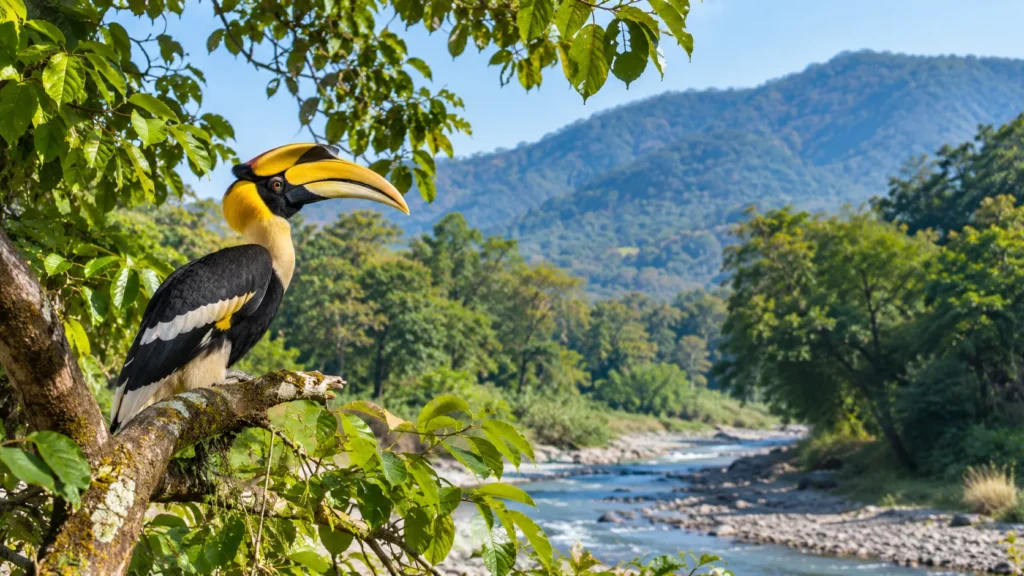
Rajaji National Park is widely known for its Asian elephants, rich forests and diverse wildlife. However, there is another reason nature lovers visit this beautiful landscape: its incredible variety of birds.
Located in the Shivalik foothills of Uttarakhand, Rajaji offers a mix of forest habitats, grasslands, river corridors and water bodies. These natural environments support a wide range of resident and migratory bird species, making the region interesting for birdwatchers, wildlife photographers and nature enthusiasts.
Whether you are an experienced birdwatcher or someone who simply enjoys spotting colourful birds in their natural surroundings, bird watching in Rajaji National Park can be a rewarding experience.
In this guide, you will learn about the best season for birdwatching, birds you may encounter, suitable habitats, photography tips and how to plan your visit.
Why Is Rajaji National Park Good for Bird Watching?
Rajaji National Park has a diverse natural landscape that supports different types of birdlife. Its forests, open grasslands, riverbanks and wetlands provide food and shelter for numerous bird species.
According to the Haridwar district administration, approximately 315 avifauna species have been recorded in the park. This diversity makes Rajaji an important destination for bird enthusiasts in Uttarakhand.
Some of the major bird groups found in the region include:
- Hornbills
- Woodpeckers
- Kingfishers
- Barbets
- Parakeets
- Pheasants
- Eagles and other birds of prey
- Flycatchers and warblers
- Waterbirds and migratory ducks
The combination of forest and river habitats makes birdwatching particularly interesting because different species can be found in different environments.
Best Time for Bird Watching in Rajaji National Park
The best time for birdwatching depends on the species you want to observe and the kind of experience you prefer.
1. Winter Season: November to February
Winter is an excellent time to explore birdlife in the Rajaji landscape. Migratory birds visit the region, adding to the variety of species that can be observed.
During this season, birdwatchers may have opportunities to spot waterbirds, ducks, geese and several forest-dwelling species.
The cooler weather also makes early morning outdoor activities more comfortable.
2. Spring Season: March to April
Spring brings changes to the forest environment. Bird calls become more noticeable, and the landscape offers good opportunities to observe resident birds.
This season can be particularly interesting for people who enjoy listening to bird calls and watching their natural behaviour.
3. Summer Season: May to June
Summer can also offer birdwatching opportunities, especially during the early morning hours.
As temperatures rise during the day, birds may become less active in exposed areas. Starting early is therefore important.
Important: Uttarakhand Tourism lists November to June as the general visiting period for Rajaji National Park and states that the park closes during the monsoon. Always confirm current safari operations and access permissions before planning your visit.
Popular Birds to Look for in Rajaji National Park
Rajaji is home to several interesting bird species. Here are some of the birds that birdwatchers may encounter in its forests and surrounding habitats.
1. Great Pied Hornbill
The Great Pied Hornbill is one of the most impressive birds associated with the forests of Rajaji.
It is recognised by its large curved bill, prominent casque and black-and-white body. Hornbills are generally associated with forest habitats and play an important role in seed dispersal.
Spotting one in its natural habitat can be a memorable experience for wildlife photographers.
2. Indian Peafowl
The Indian Peafowl, also known as the peacock, is one of India’s most recognisable birds.
Its colourful plumage and distinctive calls make it an interesting species to observe. During suitable conditions, visitors may see peafowls moving through forest edges and open areas.
3. Kalij Pheasant
The Kalij Pheasant is another interesting bird found in the Himalayan foothill forests.
It is usually associated with dense vegetation and forest undergrowth. Since it can be shy and difficult to spot, patience is important when looking for this species.
4. Kingfishers
Kingfishers are known for their colourful appearance and remarkable fishing abilities.
Riverbanks and water bodies around the wider Rajaji landscape provide suitable habitats for different kingfisher species.
Watch for movement near branches overlooking water, where these birds may sit while searching for fish.
5. Woodpeckers
Woodpeckers are among the fascinating forest birds found in Rajaji.
They are known for tapping tree trunks with their strong bills while searching for insects. Their distinctive calls and drumming sounds can help birdwatchers locate them.
6. Barbets
Barbets are generally recognised by their strong bills and colourful appearance.
They spend much of their time in trees, feeding on fruits and other food sources. Listening carefully to their calls can help you notice them in the forest canopy.
7. Indian Roller
The Indian Roller is known for its beautiful blue wings and colourful appearance.
It is often associated with open landscapes, grasslands and areas with scattered trees. Its bright plumage makes it an attractive subject for wildlife photography.
8. Black-Hooded Oriole
The Black-Hooded Oriole is a striking bird with a yellow body and black head.
It can be found in wooded habitats and is known for its melodious calls. Its bright colours can make it easier to recognise when it is visible among the foliage.
Bird sightings are never guaranteed. The species you encounter will depend on season, weather, habitat conditions and your location within the landscape.
Where Can You Look for Birds in the Rajaji Landscape?
Birdwatching opportunities vary across the different habitats of the Rajaji region.
Rather than expecting to see every species at one safari gate, it is useful to understand the types of environments that support birdlife.
Forest Areas
Dense forest habitats support birds such as woodpeckers, barbets, hornbills, parakeets and several smaller forest species.
Listen for bird calls and look carefully at branches, tree trunks and the forest canopy.
Grasslands and Forest Edges
Open grasslands and forest edges can provide opportunities to observe peafowls, pheasants and birds that prefer more open surroundings.
These areas can also make it easier to photograph birds against a less crowded background.
Rivers and Water Bodies
Riverbanks and water bodies are interesting habitats for kingfishers, herons, egrets and other water-associated birds.
Winter can be particularly rewarding for observing migratory waterbirds in suitable wetlands and nearby areas.
Note: Birdwatching access is subject to forest permissions, operating routes and current visitor regulations. Do not enter restricted forest areas or follow unofficial routes to look for birds.
Best Time of Day for Bird Watching
Early morning is generally the most suitable time for birdwatching.
Bird activity is often noticeable during the cooler hours after sunrise. You may hear calls from the forest canopy, see birds searching for food and observe movement around open areas.
Here are some useful suggestions:
- Start your birdwatching activity early.
- Keep your movements slow and quiet.
- Listen carefully to bird calls.
- Avoid unnecessary conversations and loud sounds.
- Give birds enough distance to behave naturally.
- Follow the timing and instructions provided by authorised safari operators.
Late afternoon can also offer opportunities, depending on weather and local bird activity.
Bird Photography Tips for Rajaji National Park
Rajaji offers interesting opportunities for bird photography, but photographing wild birds requires patience and preparation.
Here are some practical tips:
Carry a Suitable Camera Lens
A telephoto lens is useful for photographing birds without getting too close. A lens in the 300mm to 600mm range can be helpful, depending on your camera and photography style.
Use a Fast Shutter Speed
Birds can move quickly, especially when flying or feeding. A faster shutter speed helps capture sharp images and reduce motion blur.
Avoid Disturbing Birds
Never approach birds too closely just to capture a photograph. Avoid shouting, playing bird calls or making sudden movements.
Prefer Natural Light
Early morning light can create attractive colours and softer shadows. It is also useful for capturing natural details in feathers.
Keep Your Equipment Ready
Keep your camera settings prepared before entering the safari area. Wildlife sightings can happen unexpectedly, and there may not be enough time to adjust every setting.
What Should You Carry for Bird Watching?
A little preparation can make your birdwatching experience more comfortable.
Consider carrying:
- Binoculars for observing distant birds.
- A camera with a suitable telephoto lens.
- Comfortable, neutral-coloured clothing.
- A water bottle.
- A notebook or bird identification guide.
- A fully charged mobile phone.
- A hat or cap for sun protection.
Avoid wearing very bright clothing or using loud accessories that may disturb wildlife.
Can You Go Bird Watching During a Rajaji Jeep Safari?
A jeep safari can provide an opportunity to observe birds while exploring authorised forest routes.
Although most visitors book safaris to see larger wildlife, the forest environment also offers opportunities to notice birds along the way.
If birdwatching is your main interest, inform your safari operator before booking. Ask whether the selected route and available safari timings are suitable for observing birds.
Remember that a regular wildlife safari is not necessarily a dedicated birdwatching tour. Sightings depend on natural conditions, and the safari route cannot be changed without permission.
For current booking information, you can visit the Rajaji National Park Safari Booking Guide.
Bird Watching Etiquette: How to Respect Wildlife
Responsible birdwatching helps protect the natural environment and keeps wildlife disturbance to a minimum.
Follow these simple guidelines:
- Maintain a safe distance from birds and their nests.
- Never feed wild birds.
- Avoid playing recorded bird calls to attract species.
- Do not throw plastic or other waste in forest areas.
- Keep noise levels low.
- Follow forest department instructions.
- Never leave authorised routes or enter restricted areas.
Remember, the aim of birdwatching is to observe birds in their natural surroundings without changing their behaviour.
Frequently Asked Questions About Bird Watching in Rajaji National Park
1. Is Rajaji National Park good for bird watching?
Yes. Rajaji has a diverse range of forest, grassland and river habitats. The Haridwar district administration reports approximately 315 avifauna species in the park.
2. What is the best month for bird watching in Rajaji?
November to February is a particularly interesting period because of winter migratory birds. However, resident birds can be observed during other suitable months as well.
3. Can I see hornbills in Rajaji National Park?
Hornbills are among the bird groups recorded in the Rajaji landscape. However, sightings depend on the location, season and natural conditions.
4. Can beginners enjoy birdwatching in Rajaji?
Yes. Beginners can enjoy observing birds with binoculars, a basic bird identification guide and patience. You do not need professional photography equipment to appreciate birdlife.
5. Is birdwatching possible during a jeep safari?
Birds can be observed during authorised jeep safaris. However, regular safaris are not necessarily dedicated birdwatching tours. Confirm the route and arrangements before booking.
6. What is the best time of day for birdwatching?
Early morning is generally preferred because birds are often active during cooler hours. It also offers favourable natural light for photography.
7. How many bird species are found in Rajaji National Park?
The Haridwar district administration reports approximately 315 avifauna species. Other published assessments and checklists may report different totals depending on their scope and survey period.
Final Thoughts
Bird watching in Rajaji National Park offers a different way to experience the natural beauty of Uttarakhand. From colourful hornbills and kingfishers to woodpeckers, pheasants and migratory waterbirds, the region has plenty to interest nature lovers.
Winter is a particularly attractive season for birdwatching, while early mornings generally offer better opportunities to observe bird activity.
Whether you are visiting with binoculars, a camera or simply an interest in nature, take your time, stay quiet and respect the wildlife around you.
Plan your Rajaji National Park visit responsibly and always confirm current safari availability and forest access rules before travelling.