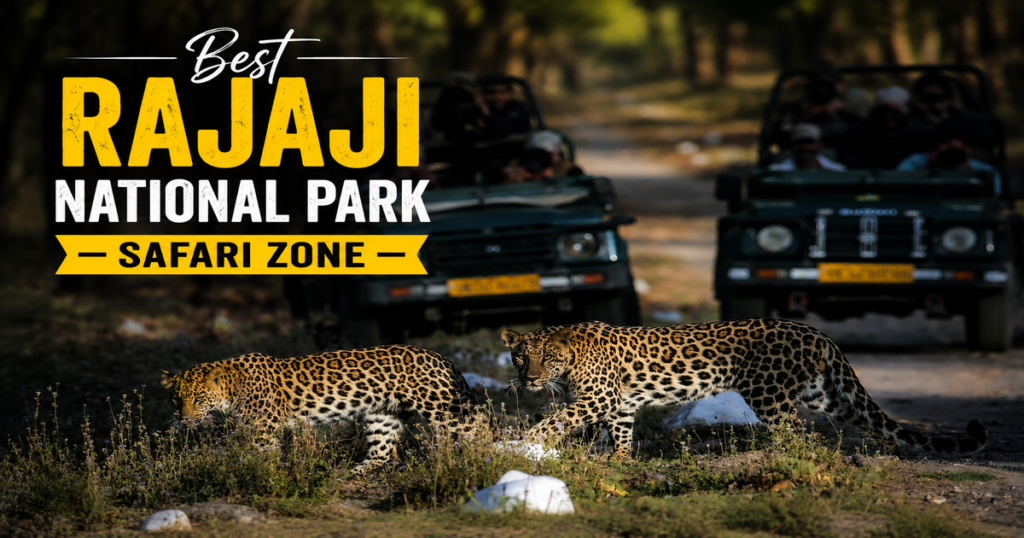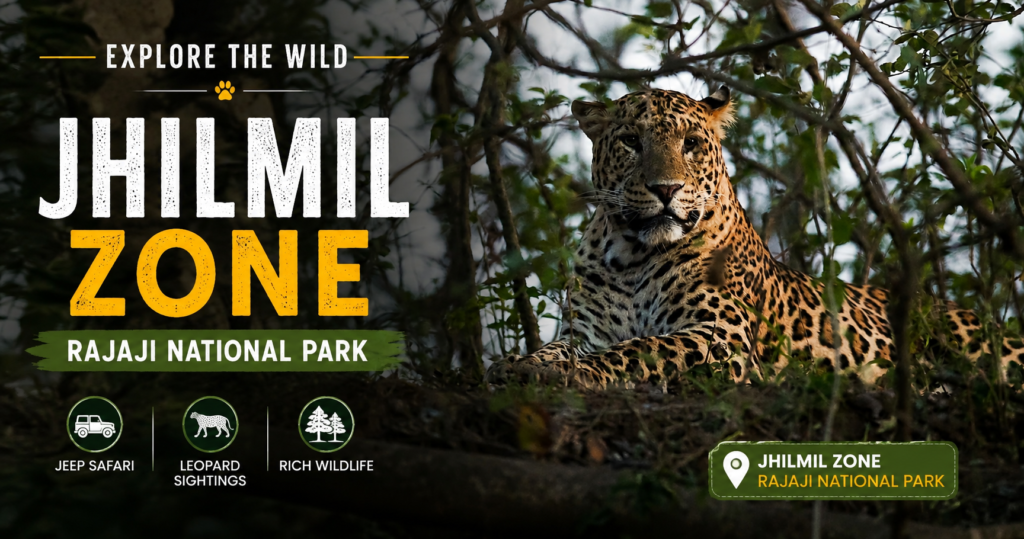
While most safari-goers still head straight for the crowded gypsy queues at Chilla, a quieter corner of Uttarakhand’s wilderness has been steadily building a reputation among serious wildlife lovers — the Jhilmil Zone Rajaji National Park. If 2026 is the year you want a safari that feels like discovery rather than a checklist, this wetland reserve deserves to be at the top of your list.
Unlike the dense sal forests found elsewhere in the park, the Jhilmil Jheel Safari takes you through marshy grasslands, seasonal wetlands, and open “tal” landscapes that exist nowhere else in Rajaji. It’s home to Uttarakhand’s only surviving herd of Barasingha (swamp deer), over 300 recorded bird species, and a level of peace and quiet that’s becoming harder to find at India’s more popular tiger reserves. In this guide, we’ll walk you through everything you need to know about a Jhilmil Safari Rajaji trip in 2026 — timings, prices, wildlife, booking, and exactly why this is the year to experience it.
What Makes Jhilmil Zone Different From Other Rajaji Zones
Most people picture dense forest and tiger trails when they think of a Rajaji National Park Safari. The Jhilmil Zone Rajaji National Park breaks that mould completely. It’s a 155-hectare wetland conservation reserve sitting at a low altitude of around 240 metres, formed by old river channels of the Ganga that left behind marshy pools known locally as “tals.” This unique terrain is what makes the zone so different — and so special.
Here’s what sets it apart:
- A true wetland ecosystem — short and tall grasslands, shifting river channels, and seasonal swamps, unlike the sal-forest terrain found in Chilla or Motichur
- The last surviving Barasingha herd in Uttarakhand — this rare swamp deer species is found nowhere else in the state outside Jhilmil
- Low visitor footfall, which keeps this zone genuinely peaceful compared to the more commercialised parts of the park
- A “wildlife-first” experience — because Jhilmil isn’t chasing tiger sightings, the pace here is slower, quieter, and far more suited to patient observation
If you’re tired of noisy convoys of gypsies competing for the same tiger sighting, a Jhilmil Jungle Safari offers something increasingly rare in Indian wildlife tourism: stillness.
Jhilmil Zone Safari Timings 2026
Like the rest of Rajaji National Park, Jhilmil runs two safari shifts a day, with slight seasonal variation.
Morning Safari
Typically runs from around 6:00 AM to 9:30 AM during peak season (November–February), shifting slightly earlier as summer approaches, in line with sunrise.
Evening Safari
Usually runs from 3:00 PM to 6:00 PM or later, extending toward 6:30–7:00 PM in spring and summer months.
A single Jhilmil Jheel Safari typically lasts around 2 to 2.5 hours and covers a scenic route through grassland, riverbank, and wetland habitat, guided by a naturalist who knows exactly where to slow down and look.
Extended Season Until June 30 — A Little-Known Advantage
Here’s something most visitors don’t realise: while Chilla, Motichur, and Ranipur zones close for the monsoon on June 15, the Jhilmil Zone Rajaji National Park stays open two extra weeks, until June 30, because of its wetland conservation status. If you’re travelling in late June and thought your Rajaji trip window had already closed, Jhilmil might be your only option — and honestly, a great one, since waterhole activity peaks right before the rains.
Jhilmil Zone Ticket Price & Permits 2026
Budgeting for your Jhilmil Safari Rajaji trip is straightforward once you know the fee structure, which follows the same base rates set by the Uttarakhand Forest Department across zones:
| Component | Indian Nationals | Foreign Nationals |
|---|---|---|
| Park Entry Fee (per person) | ₹150 | ₹600 |
| Vehicle Entry Fee (per gypsy) | ₹250 | ₹500 |
| Naturalist Guide Fee (mandatory) | ₹600 | ₹600 |
| Experienced Bird/Wildlife Guide | ₹1,000 – ₹1,500 | ₹1,000 – ₹1,500 |
| Gypsy Hire, up to 6 people (per trip) | ₹2,500 – ₹4,500 | ₹2,500 – ₹4,500 |
| Still Camera Fee | — | ₹50 |
| Video Camera Fee | ₹2,500 | ₹5,000 |
Important note on permits: Jhilmil Zone issues a strictly limited number of daily safari permits — historically around 15 for the morning session and 15 for the evening session. This isn’t a large tourist zone with unlimited gypsies rolling in; it’s a controlled conservation reserve. That’s exactly why it stays quiet, but it also means you should book your Jhilmil Jheel Safari slot in advance rather than hoping for a walk-in permit at the gate.
Rates are revised periodically by the Forest Department, so always confirm exact 2026 pricing before your trip.
Why 2026 Is the Best Year to Visit Jhilmil
There’s a genuine shift happening in Indian wildlife tourism right now, and Jhilmil sits right at the centre of it.
The “slow safari” trend is picking up speed. As zones like Corbett and even Chilla become increasingly crowded with canters and convoys, more travellers are actively searching for a quieter alternative — a safari built around patience and observation rather than a race to spot a tiger before the next jeep arrives. The Jhilmil Zone Rajaji National Park fits this shift perfectly: low permit numbers, a naturalist-led pace, and wetland terrain that rewards stillness.
Conservation momentum is real. Jhilmil’s Barasingha population has been a genuine forest department success story, with the reserve functioning as the last safe habitat for this species in Uttarakhand. Visiting here isn’t just about ticking off a sighting — it’s supporting a conservation zone that depends on regulated, low-impact tourism to keep functioning.
Birding season keeps improving. With 300+ recorded bird species and a steady stream of migratory visitors from Central Asia between November and March, Jhilmil has quietly become one of North India’s premier birding destinations — often mentioned in the same breath as more established wetland reserves.
For anyone planning a Rajaji National Park Jungle Safari in 2026 who wants substance over spectacle, Jhilmil is where the experience is heading.
How to Book a Jhilmil Zone Safari Online
Because of the limited daily permits, booking ahead is strongly recommended for a Jhilmil Jungle Safari. The general process looks like this:
- Decide your preferred date and shift (morning or evening) — Jhilmil fills up faster than people expect given how few permits are issued daily.
- Reach out to a local, Forest Department-authorised safari operator who can check real-time seat availability for the Jhilmil zone specifically, since online portals don’t always reflect same-day openings accurately.
- Share visitor details — names, ages, and valid ID proof (Aadhaar/Voter ID for Indians, passport for foreign nationals) for everyone in your group.
- Confirm and pay via UPI, bank transfer, or another accepted method to lock in your gypsy and guide.
- Receive your forest permit in advance, so you can head straight to the gate on the day of your safari without last-minute paperwork stress.
Given how few permits Jhilmil issues each day, booking through a team that knows the zone well — and can confirm live availability quickly — makes a real difference here compared to other zones where walk-in options are more forgiving.
How to Reach Jhilmil Gate
Jhilmil Jheel Conservation Reserve sits close to Haridwar, making it fairly accessible for most travellers:
- From Haridwar: Approximately 15–20 km, about a 30–40 minute drive.
- From Rishikesh: Around 25–30 km by road.
- Nearest Railway Station: Haridwar Junction, well connected to Delhi, Dehradun, Mumbai, Kolkata, Lucknow, and other major cities.
- Nearest Airport: Jolly Grant Airport, Dehradun, roughly 40 km away.
Because it sits near the Chidiyapur Forest Range on the outskirts of Haridwar, many visitors combine a Jhilmil Zone Rajaji National Park safari with a short Haridwar city visit on the same trip.
Wildlife You Can See in Jhilmil Zone
The wetland habitat here supports a genuinely different mix of species compared to the rest of Rajaji:
- Barasingha (Swamp Deer) — the undisputed star of the zone, and the reason Jhilmil exists as a protected reserve in the first place
- Asian Elephants — regularly seen moving through the grasslands, especially near water
- Leopards — present in the zone, though sightings are less frequent than in Ranipur
- Pythons — occasionally spotted basking near the wetland edges
- Spotted Deer and Wild Boar — common along the grassland trails
- Birdlife — this is where Jhilmil truly shines, with hornbills, kingfishers, painted storks, waterfowl, and migratory species from Central Asia between November and March
If birdwatching or rare-species spotting is your priority over guaranteed tiger sightings, a Jhilmil Jheel Safari consistently delivers more per hour than the busier zones.
Best Time to Visit Jhilmil Zone
- November to March: The best window overall — cool weather, peak migratory bird activity, and the clearest views of the Barasingha herd against the winter grassland.
- April to mid-June: Warmer, with lower visitor numbers and strong waterhole activity as the marshland begins to dry, though the wetland’s core areas stay active even into early summer.
- Mid-June (the extended window): A rare opportunity most tourists miss entirely, since this is the only Rajaji zone open past June 15.
Jhilmil vs Chilla vs Ranipur: Which Zone Fits Your Safari Style
| Feature | Jhilmil Zone | Chilla Zone | Ranipur Zone |
|---|---|---|---|
| Best for | Birds & rare Barasingha | Tigers & elephants | Leopards |
| Crowd level | Very low | High | Low-moderate |
| Terrain | Wetland & grassland | Dense sal forest | Hilly, varied terrain |
| Ideal visitor | Birders, photographers, quiet-safari seekers | First-time visitors, tiger seekers | Photographers, leopard enthusiasts |
| Season | Open until June 30 (extended) | Nov 15 – Jun 15 | Nov 15 – Jun 15 |
If your goal for 2026 is a genuinely wildlife-first, low-crowd experience rather than a race to spot a tiger, the Jhilmil Zone Rajaji National Park is the clear choice among the park’s six zones.
Tips for a Great Jhilmil Safari Experience
- Carry binoculars — many of Jhilmil’s best sightings (birds, distant Barasingha herds) reward patient, distant observation rather than close-range photography.
- Wear muted, earthy tones and avoid anything bright, since wetland wildlife is easily startled by movement and colour.
- Be patient. Unlike tiger-zone safaris built around a single big sighting, a Jhilmil Jungle Safari rewards visitors who slow down and take in the whole landscape.
- Carry a zoom lens if photography is a priority — many bird and deer sightings happen at a distance across open water or grassland.
- Book early given the low daily permit count — 15 seats per shift fill up faster than the crowd numbers suggest.
- Carry a valid photo ID, required for permit verification at the gate.
Frequently Asked Questions (FAQs)
Q1. What are the Jhilmil Zone safari timings in 2026? The morning safari generally runs from 6:00 AM to 9:30 AM, and the evening safari from 3:00 PM to 6:00 PM, with slight seasonal adjustment.
Q2. What is the ticket price for a Jhilmil safari? Entry fees are around ₹150 for Indian nationals and ₹600 for foreign nationals, plus a vehicle entry fee, mandatory guide fee, and gypsy hire charge of roughly ₹2,500–₹4,500 per trip.
Q3. Why is Jhilmil open until June 30 when other zones close June 15? Jhilmil Jheel is a wetland conservation reserve rather than a standard forest safari zone, and the Forest Department extends its season by two weeks to reflect its distinct conservation status and continued wildlife activity.
Q4. Is Jhilmil good for tiger sightings or mainly birds and deer? Jhilmil is not a tiger-focused zone. It’s best known for the rare Barasingha (swamp deer) and exceptional birdlife, though elephants and occasional leopards are also seen.
Q5. How far is Jhilmil Gate from Haridwar? Jhilmil Gate is approximately 15–20 km from Haridwar, about a 30–40 minute drive.
Q6. How many safari permits are issued per day at Jhilmil? Historically around 15 permits for the morning session and 15 for the evening session — a much smaller quota than busier zones like Chilla, which is why advance booking matters here.
Q7. Is Jhilmil zone good for families and first-time visitors? Yes, especially families interested in birdwatching or a calmer introduction to wildlife safaris, though those specifically hoping for tiger sightings may prefer Chilla as a first zone.
Q8. Can I combine Jhilmil with another zone in one trip? Yes — many visitors pair a morning Jhilmil safari focused on birds and Barasingha with an evening or next-day safari in Chilla or Ranipur for tiger or leopard territory.
Conclusion
The Jhilmil Zone Rajaji National Park offers something genuinely different from the rest of the reserve — a quiet, wildlife-first safari built around patience, rare species, and one of North India’s best birding landscapes, all without the crowds that now define many popular tiger zones. With its limited daily permits and extended season running into late June, 2026 is shaping up to be an excellent year to experience this wetland reserve before it becomes better known.
If you’re ready to plan your Jhilmil Jheel Safari with a local, naturalist-led team that knows exactly where and when to look, Rajaji Jungle Safari can arrange your permits, gypsy, and guide with transparent 2026 pricing and fast confirmation. Reach out today and experience the quieter, wilder side of Rajaji National Park for yourself.